
Oil and gas fund and IDC program lawyers.
Ebadat forms drilling funds, IDC programs and mineral and royalty vehicles for oil and gas sponsors and operators, from the partnership structure and turnkey contract to the private placement.



In the last 18 months
1Aggregate value of closed M&A transactions, financings and fund commitments in which Ebadat represented a party.2Distinct clients Ebadat served under a signed engagement letter.3Countries where a party to, or the target of, a cross-border transaction Ebadat advised on is based.All figures June 2025 through November 2026. Past results do not guarantee a similar outcome. Attorney Advertising
In the last 18 months
1Aggregate value of closed M&A transactions, financings and fund commitments in which Ebadat represented a party.2Distinct clients Ebadat served under a signed engagement letter.3Countries where a party to, or the target of, a cross-border transaction Ebadat advised on is based.All figures June 2025 through November 2026. Past results do not guarantee a similar outcome. Attorney Advertising
The lawyers on your fund.
Ebadat is the first firm we call because they are hands-on, fast and commercial.
Client feedback, Chambers USA 2026
Neeloy Azad
Fund Formation

Soheil Ebadat
M&A · Financing

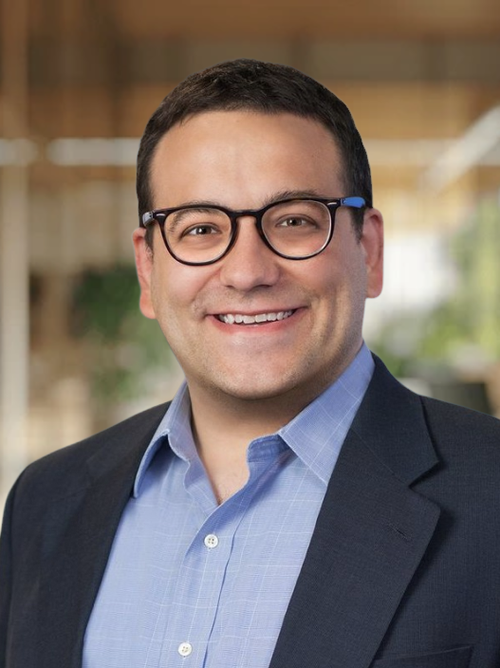
Mike Baker
Tax · M&A



How a fund looks from your side.
Choose a side. Each stage shows what that side pushes for, and where managers and investors usually meet.
The manager pushes for
The investor pushes for
Where they usually meet
Where they usually meet
The manager pushes for
The investor pushes for
Where they usually meet
Where they usually meet
The manager pushes for
The investor pushes for
Where they usually meet
Where they usually meet
The manager pushes for
The investor pushes for
Where they usually meet
Where they usually meet
The manager pushes for
The investor pushes for
Where they usually meet
Where they usually meet
The manager pushes for
The investor pushes for
Where they usually meet
Where they usually meet
Read the Fund Formation Glossary General information, not legal advice. Every deal is negotiated on its own facts.
What we handle for oil and gas sponsors
Program and fund work for operators, sponsors and the family offices that invest alongside them, with tax counsel on every structure. Our drilling fund work includes Final Turn’s Backstretch IDC Fund I.
01 / 06
Drilling funds and IDC programs
Multi-well drilling partnerships and funds built so investors can take their share of intangible drilling costs, with general and limited partner units, conversion after drilling, and the capital call and assessment terms the program needs.
Where it gets negotiated
Glossary entry02 / 06
Sponsor economics and tax allocations
The sponsor’s promote and fees, and the partnership allocations of IDC, depletion and depreciation to the investors who fund them, settled with tax counsel before the offering.
Where it gets negotiated
Our energy practice03 / 06
Turnkey drilling and operator agreements
Turnkey and footage drilling contracts, joint operating agreements, AFEs and cost overruns, and the conflicts between a sponsor-affiliated operator and the program, documented and disclosed.
Where it gets negotiated
Read the article04 / 06
Private placements and investor documents
The private placement memorandum, subscription documents and investor questionnaires, Regulation D offerings with Form D and Texas notice filings, and how anyone raising capital is paid.
Where it gets negotiated
Glossary entry05 / 06
Mineral, royalty and non-op vehicles
Funds and SPVs that buy mineral and royalty interests or non-operated working interests, with the acquisition documents, title diligence coordination and the distribution waterfall.
Where it gets negotiated
Our fund formation practice06 / 06
Co-investment and operator joint ventures
Family offices and investors backing a sponsor through side letters, co-investment SPVs or a direct joint venture with the operator, including the exit rights.
Where it gets negotiated
Read the article
Is your drilling program ready to raise?
Ten questions investors and their advisers ask about a drilling program. Answer them to see what to fix first.
The program holds its working interests directly, or through an entity that does not limit investor liability during drilling.
The partnership agreement allocates IDC to the investors whose capital pays for it.
General partner units convert to limited partner units after drilling, on a stated trigger.
The turnkey drilling contract is in writing, priced and disclosed if the operator is affiliated.
Drilling under any prepaid contract will begin within 90 days after year end.
You have chosen Rule 506(b) or 506(c) and know how investors will be verified.
Anyone paid to bring in investors is a registered broker-dealer or is paid in a way that does not require registration.
The private placement memorandum covers the risks, conflicts and tax consequences, reviewed by tax counsel.
Insurance and operator indemnities cover blowouts, pollution and well control during drilling.
Form D and state notice filings are calendared from the first sale.
Nothing you enter here is saved or sent. General information, not legal advice.

Sponsors raising a drilling fund need program documents and tax structuring that hold up with investors and their advisers, at a cost that fits the size of the raise. That work is too specialized for a generalist and too small for large-firm rates to make sense, and it is a gap I started Ebadat to fill.
We form these programs regularly from Houston, and we will tell you plainly which terms investors expect, which they do not and what it will cost.


Soheil Ebadat
Leads M&A and financings for founders, funds, sponsors and strategic buyers across industries.View profile
Kiara Cunningham
Advises sponsors, funds, founders and acquirers on M&A, fund formation, investment transactions and day-to-day corporate matters.View profile
Neeloy Azad
Advises fund sponsors, underwriters and institutional investors on forming, structuring and distributing private funds.View profile
Michael Blue
Counsels developers, entrepreneurs, founders and investors on real estate and business transactions.View profile
Mitch McClellan
Advises clients on financing matters and secured transactions, from credit agreements to leveraged finance.View profile
Mike Baker
Advises founders, executives and investors on tax structuring from formation through exit.View profile
Austin Johnson
Advises emerging companies, investors and strategic acquirers on M&A, contracts and corporate governance.View profile
Brian Rogers
Advises on the tax side of private equity deals, acquisitions, partnership formations, financings and REIT matters.View profile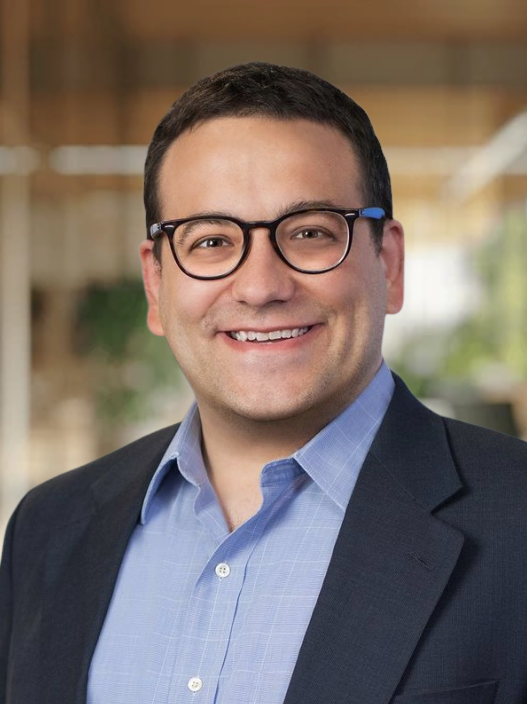
Jason Sacks
Advises on federal tax for M&A, secondaries, financings and cross-border structuring.View profile
Jessica Winn
Represents executives and companies on equity compensation, employee benefits and Sections 83(b), 280G and 409A.View profile
Austin Stack
Advises on equity compensation, Sections 409A and 280G, benefits in transactions and employment agreements.View profile
Jamison Klang
Advises companies and executives on compensation, benefits and employment issues, including in corporate transactions.View profile
Jeffrey Bauer
Advises employers, fiduciaries and ESOP parties on employee benefits, ERISA and compensation, including in M&A.View profile
Juan Manuel López Ruiz
Counsels clubs, athletes, agents and federations on player contracts, disputes and regulatory matters in global football.View profile
Heather Bustos
Supports food, supplement, cosmetic and medical device businesses on FDA and FTC compliance.View profile CareersJoin the team
We’re hiring experienced M&A, venture and fund formation lawyers.View open rolesFrequently Asked Questions About Oil and Gas Funds and Drilling Programs
Have a question we have not covered? Email info@ebadatlaw.com.
These answers are general information, not legal advice, and reading them does not create an attorney-client relationship. See our Notice & Terms of Use.
How do investors in a drilling fund deduct intangible drilling costs?
Under Section 263(c), an independent producer can elect to deduct intangible drilling and development costs, such as labor, drilling services, mud and fuel, in the year they are paid or incurred instead of capitalizing them. In a partnership the deduction flows to the partners under the partnership agreement’s allocations, which need substantial economic effect, so the investors who fund the drilling can take the deductions it produces. Integrated oil companies must capitalize 30% of their IDC, and equipment and other tangible costs are depreciated rather than deducted.
Why do drilling programs offer general partner units?
The passive activity rules carve out a working interest held directly or through an entity that does not limit the owner’s liability, so investors holding general partner units can generally use their share of drilling losses against other income. Programs commonly convert those units to limited partner units after the wells are drilled, which limits liability going forward, and net income from the interest after a year of nonpassive losses generally stays nonpassive. Insurance and indemnities address the exposure during drilling.
When can a program deduct prepaid drilling costs?
IDC prepaid under a turnkey contract can generally be deducted in the year paid if there is a business purpose for the prepayment and drilling begins within 90 days after the end of that year. Prepayments to an operator affiliated with the sponsor draw closer scrutiny, so the turnkey contract, its pricing and the drilling schedule should be documented as an arm’s-length arrangement.
What did the 2025 tax law change for oil and gas programs?
The 2025 reconciliation act, often called the One Big Beautiful Bill Act, permanently restored 100% bonus depreciation for qualifying property acquired after January 19, 2025, which covers much of the tangible equipment in a program. It did not repeal the IDC deduction for independent producers. Programs launched now should model both, with the acquisition dates of equipment documented.
Are drilling program interests securities?
Generally yes. Interests sold to passive investors are treated as investment contracts, so the offering needs an exemption, most often Rule 506(b) or 506(c) of Regulation D, with a Form D filing and state notice filings, including in Texas. Anyone paid to bring in investors may need to be a registered broker-dealer, so how the sponsor and any placement agent are compensated should be settled before the raise.
What should a turnkey drilling contract cover when the operator is affiliated with the sponsor?
The price and what it includes, who bears cost overruns and dry holes, the drilling schedule and start date that support any prepayment, insurance, and audit rights for the investors. Because the sponsor sits on both sides, the private placement memorandum should disclose the relationship and the operator’s margin, and the partnership agreement should say who approves changes.
What happens to the IDC deductions when the program sells its wells?
Prior IDC deductions are generally recaptured as ordinary income under Section 1254 to the extent of the gain on the sale. The partnership agreement should allocate recapture to the partners who took the deductions, and the exit, whether a sale, a roll-up or a distribution of the interests, should be modeled with tax counsel before the program launches.
Do you work with operators and sponsors outside Texas?
Yes. We are based in Houston and form programs for operators and sponsors across U.S. producing basins, with tax counsel on each structure and local counsel for title and state regulatory matters where needed.