Nationally ranked fund formation counsel.
Ebadat forms venture, growth, hedge, IDC and SPV vehicles, and the capital vehicles independent sponsors and searchers raise, for first-time and established managers.


In the last 18 months
1Aggregate value of closed M&A transactions, financings and fund commitments in which Ebadat represented a party.2Distinct clients Ebadat served under a signed engagement letter.3Countries where a party to, or the target of, a cross-border transaction Ebadat advised on is based.All figures June 2025 through November 2026. Past results do not guarantee a similar outcome. Attorney Advertising
In the last 18 months
1Aggregate value of closed M&A transactions, financings and fund commitments in which Ebadat represented a party.2Distinct clients Ebadat served under a signed engagement letter.3Countries where a party to, or the target of, a cross-border transaction Ebadat advised on is based.All figures June 2025 through November 2026. Past results do not guarantee a similar outcome. Attorney Advertising
The lawyers on your fund.
Ebadat is the first firm we call because they are hands-on, fast and commercial.
Client feedback, Chambers USA 2026
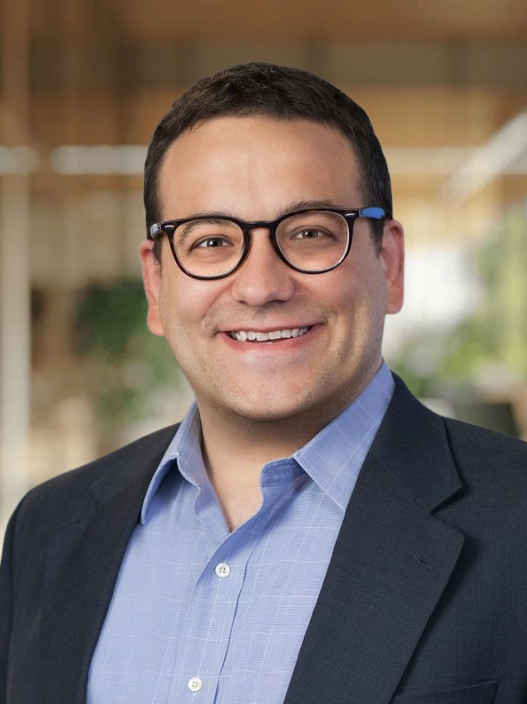
Neeloy Azad
Advises fund sponsors and institutional investors on forming and structuring private funds.

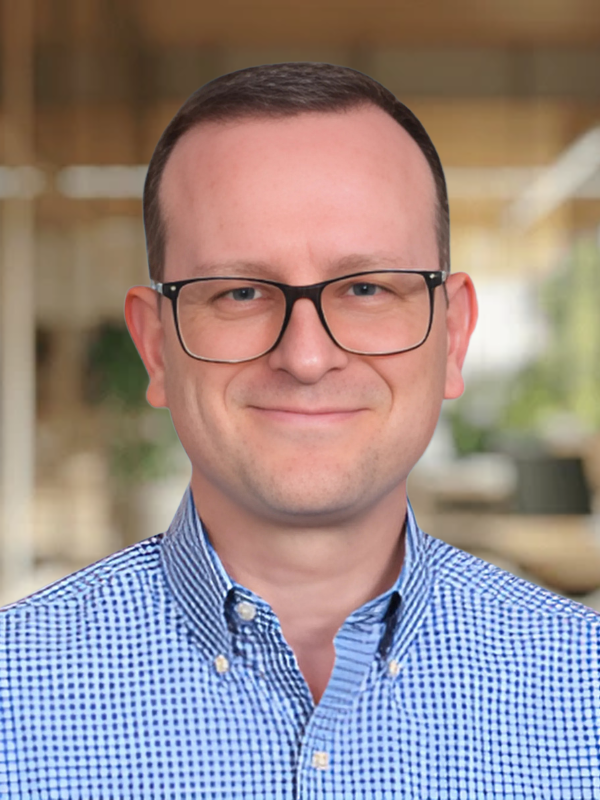
Soheil Ebadat
Leads M&A and financings for founders, funds, sponsors and strategic buyers.
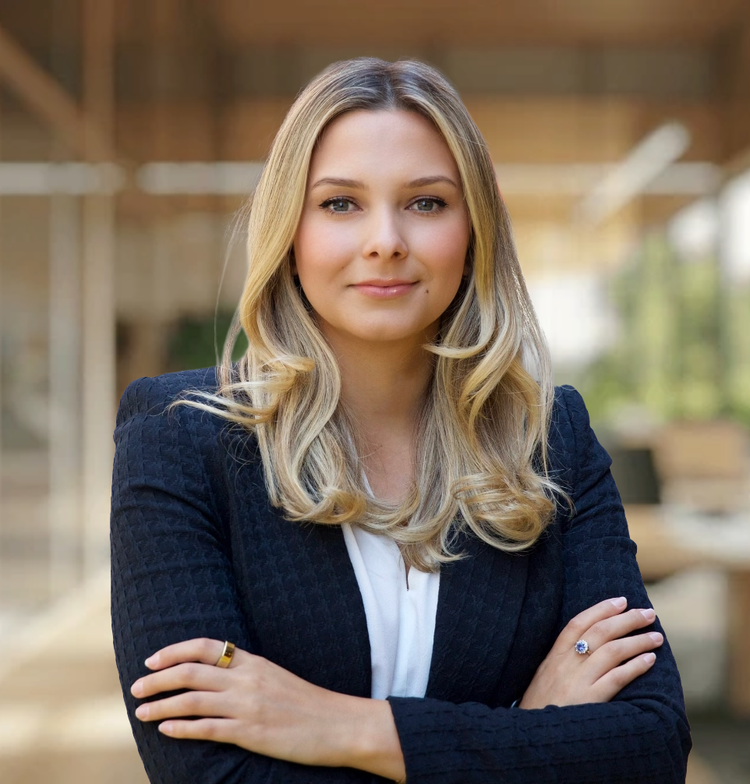
Kiara Cunningham
Advises sponsors, funds, founders and acquirers on M&A and fund formation.
How a fund looks from your side.
Choose a side. Each stage shows what that side pushes for, and where managers and investors usually meet.
The manager pushes for
The investor pushes for
Where they usually meet
Where they usually meet
The manager pushes for
The investor pushes for
Where they usually meet
Where they usually meet
The manager pushes for
The investor pushes for
Where they usually meet
Where they usually meet
The manager pushes for
The investor pushes for
Where they usually meet
Where they usually meet
The manager pushes for
The investor pushes for
Where they usually meet
Where they usually meet
The manager pushes for
The investor pushes for
Where they usually meet
Where they usually meet
Read the Fund Formation Glossary General information, not legal advice. Every deal is negotiated on its own facts.
Funds we form
Ebadat is nationally ranked for Fund Formation by The Legal 500 United States.
01 / 06
Venture capital funds
Seed through growth-stage venture funds, with parallel and feeder structures for non-U.S. and tax-exempt investors.
Where it gets negotiated
Learn more02 / 06
Growth equity and private equity funds
Closed-end funds with management fee, carried interest and waterfall terms negotiated with institutional and family office investors.
Where it gets negotiated
Read the article03 / 06
Hedge funds
Open-ended funds with subscriptions, redemptions, lock-ups and gates, including master-feeder structures for onshore and offshore investors.
Where it gets negotiated
Glossary entry04 / 06
IDC drilling funds
Oil and gas programs structured so investors can deduct intangible drilling costs, with the operator and program agreements behind them.
Where it gets negotiated
Learn more05 / 06
SPVs and co-investment vehicles
Single-deal vehicles and co-investment programs alongside a main fund or on their own.
Where it gets negotiated
Glossary entry06 / 06
Independent sponsor and search fund vehicles
Capital vehicles for independent sponsors raising deal by deal and for searchers raising to find and buy a company.
Where it gets negotiated
Learn more
What goes into a private fund.
A typical structure, simplified. Tap any part to see what it does and which document governs it.
The fund
The limited partnership or LLC that pools investor commitments and makes the investments.
Governed byLimited partnership agreement, private placement memorandum and subscription documents.
Limited partners
The investors. They commit capital, fund it when the general partner calls it, and have limited liability and limited control over the fund.
Governed bySubscription agreement, limited partnership agreement and any side letter.
Feeder or parallel fund
A vehicle that lets investors with different tax or regulatory needs, such as non-U.S. or tax-exempt investors, invest alongside the main fund on matching terms.
Governed byIts own limited partnership agreement, aligned with the main fund.
General partner
Controls the fund and makes the investment decisions, usually through an entity owned by the principals. It typically receives the carried interest.
Governed byThe limited partnership agreement and the general partner’s own operating agreement.
The fund
The limited partnership or LLC that pools investor commitments and makes the investments.
Governed byLimited partnership agreement, private placement memorandum and subscription documents.
Management company
Employs the team, runs day-to-day operations and receives the management fee. It is usually the registered or exempt reporting adviser.
Governed byManagement agreement and the management company’s operating agreement.
Blocker
A corporation placed between the fund and certain investments so tax-exempt and non-U.S. investors are shielded from income that would cause them tax problems.
Governed byIts charter and bylaws, set up as part of the fund’s tax structure.
Portfolio investments
The companies or assets the fund invests in.
Governed byPurchase and investment agreements, and each investment’s own governing documents.
SPV or co-investment
A single-deal vehicle for investors who want more exposure to one investment, often alongside the fund.
Governed byThe SPV’s operating or partnership agreement and subscription agreements.
Simplified for illustration. Real structures vary with the strategy, the investors and the tax position. General information, not legal or tax advice.
I started Ebadat to give fund managers the kind of counsel I trained on at large national firms, from lawyers who stay with the fund from the first structuring call to the final close.
You will work directly with the lawyers drafting your documents, and we will tell you plainly which investor requests are standard, which are not and what it will cost.

Among our fund clients
- Asto Consumer Partners
- Redbud Brands
- Tonic Ventures
- Transpose Platform
- Aro Ventures
- Blue Crow Sports
- Acclevis Capital
- Final Turn

Soheil Ebadat
Leads M&A and financings for founders, funds, sponsors and strategic buyers across industries.View profile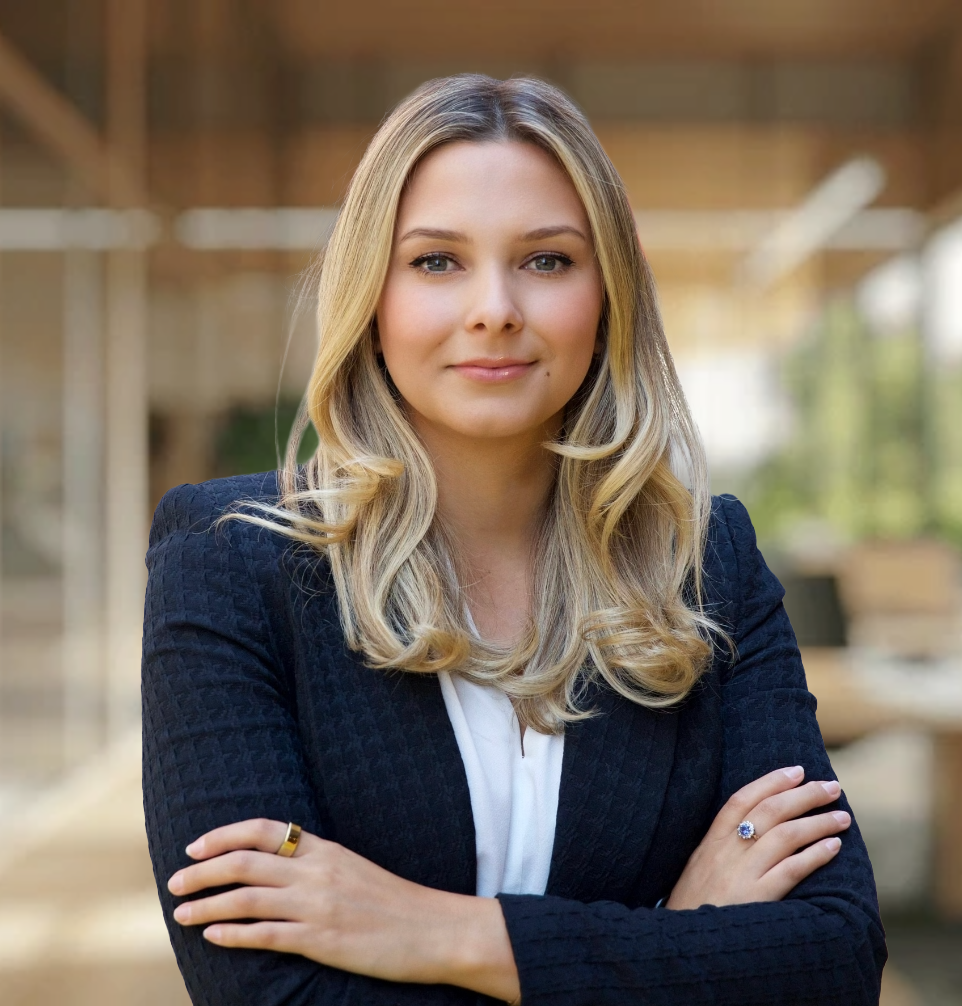
Kiara Cunningham
Advises sponsors, funds, founders and acquirers on M&A, fund formation, investment transactions and day-to-day corporate matters.View profile
Neeloy Azad
Advises fund sponsors, underwriters and institutional investors on forming, structuring and distributing private funds.View profile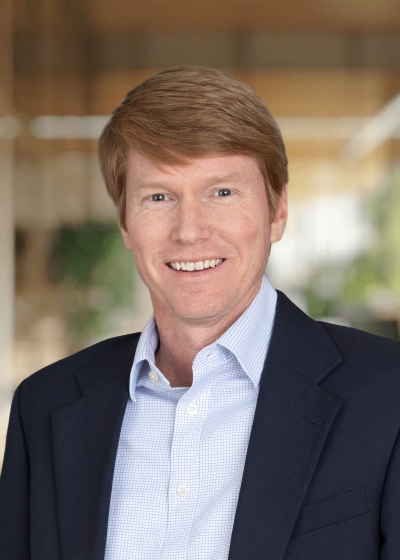
Michael Blue
Counsels developers, entrepreneurs, founders and investors on real estate and business transactions.View profile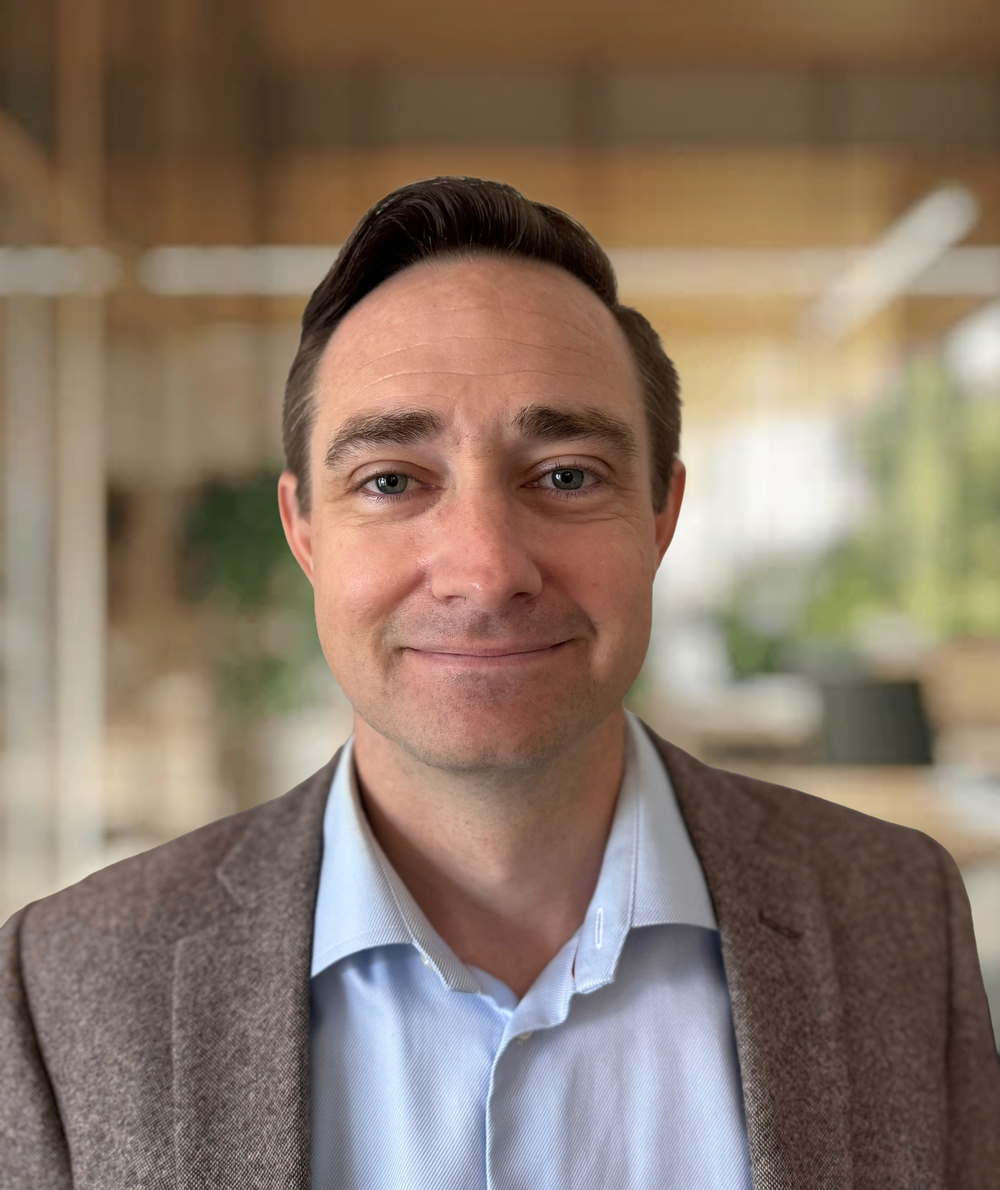
Mitch McClellan
Advises clients on financing matters and secured transactions, from credit agreements to leveraged finance.View profile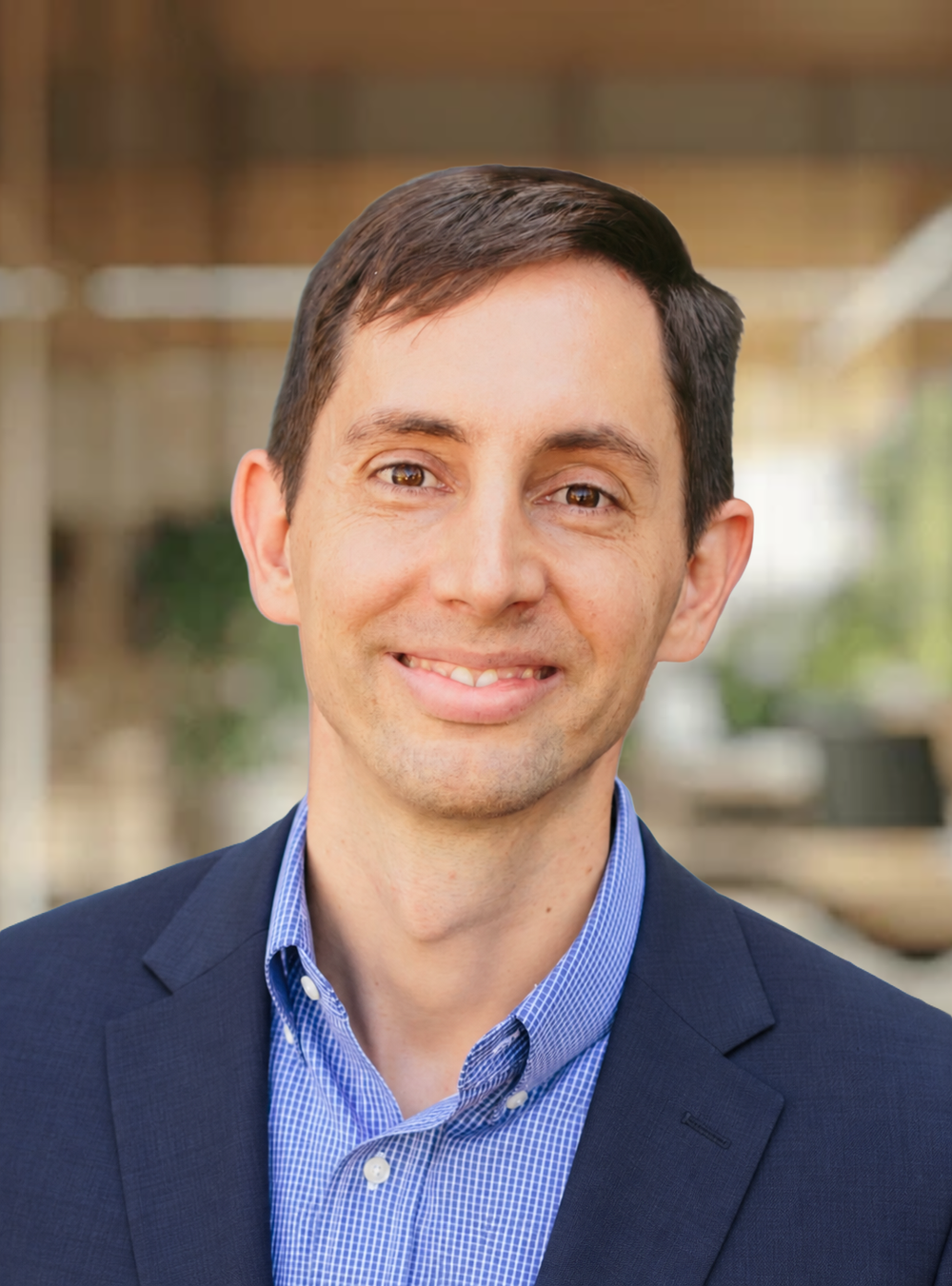
Mike Baker
Advises founders, executives and investors on tax structuring from formation through exit.View profile
Austin Johnson
Advises emerging companies, investors and strategic acquirers on M&A, contracts and corporate governance.View profile
Brian Rogers
Advises on the tax side of private equity deals, acquisitions, partnership formations, financings and REIT matters.View profile
Jason Sacks
Advises on federal tax for M&A, secondaries, financings and cross-border structuring.View profile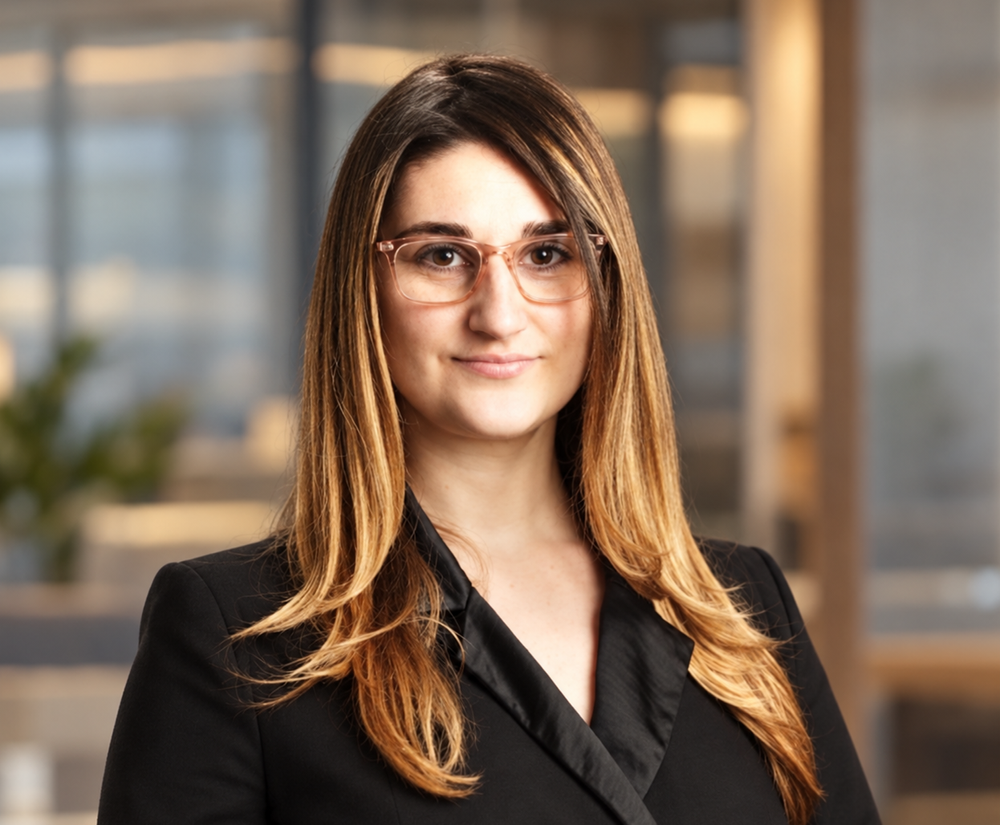
Jessica Winn
Represents executives and companies on equity compensation, employee benefits and Sections 83(b), 280G and 409A.View profile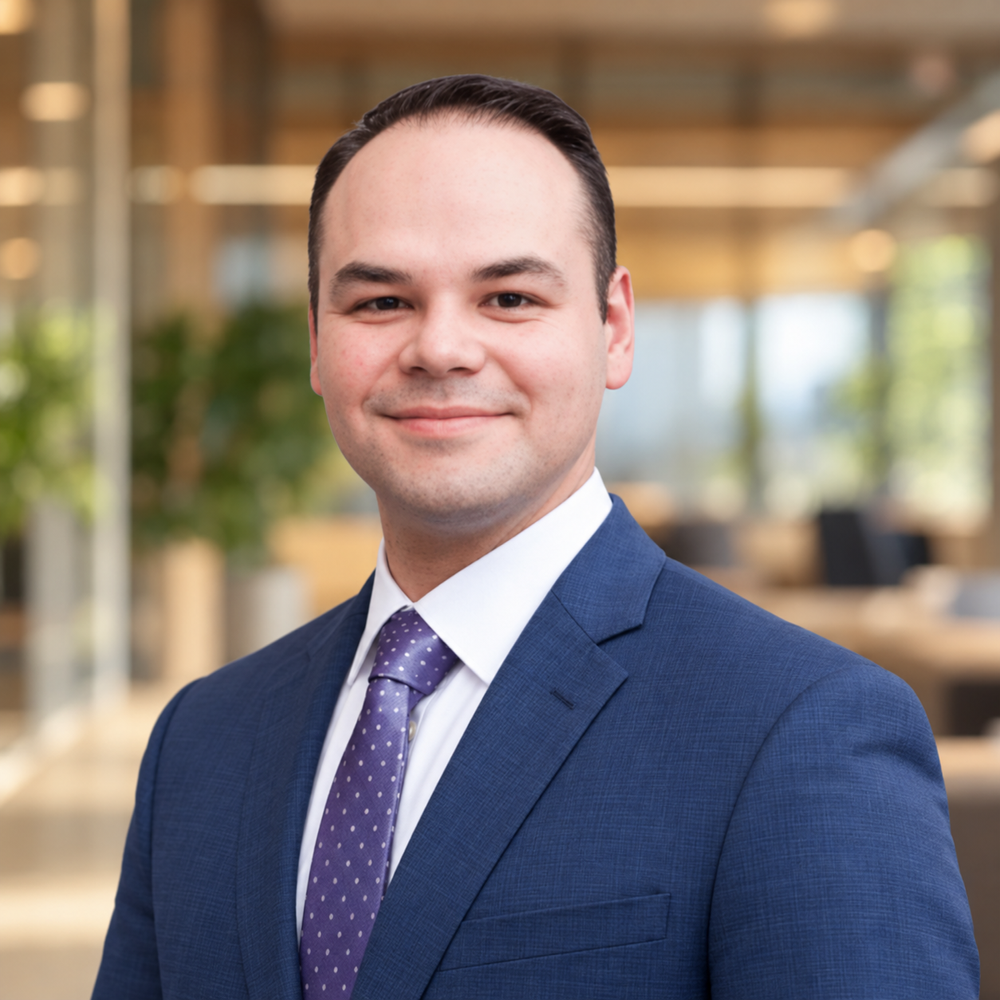
Austin Stack
Advises on equity compensation, Sections 409A and 280G, benefits in transactions and employment agreements.View profile
Jamison Klang
Advises companies and executives on compensation, benefits and employment issues, including in corporate transactions.View profile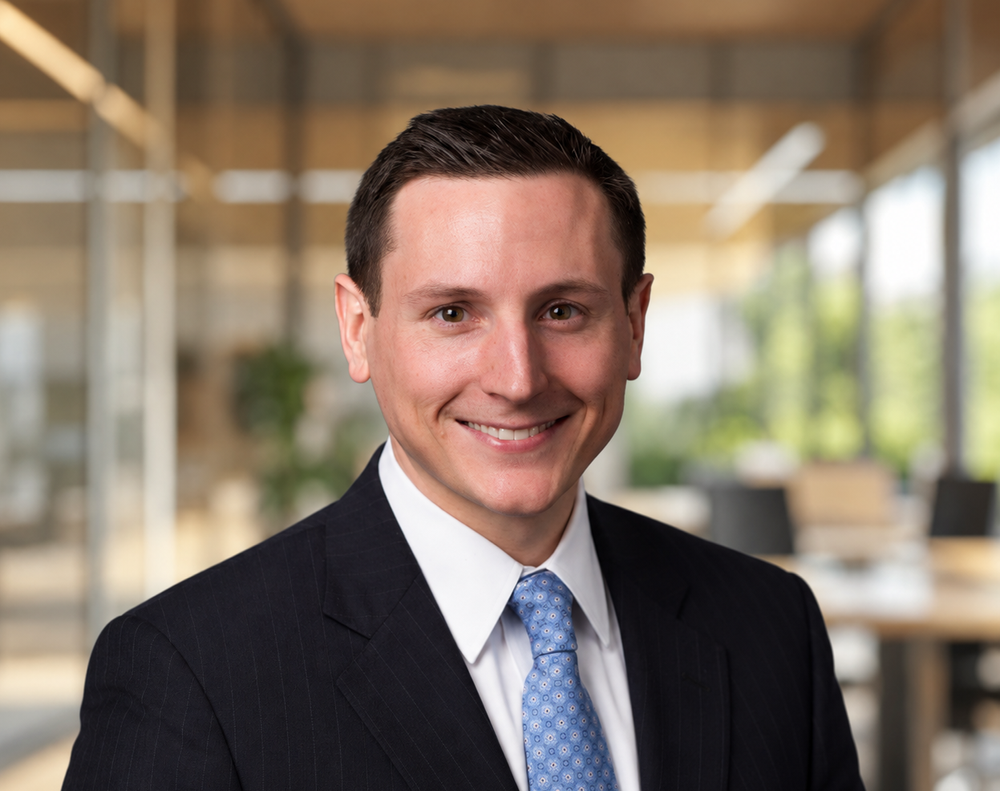
Jeffrey Bauer
Advises employers, fiduciaries and ESOP parties on employee benefits, ERISA and compensation, including in M&A.View profile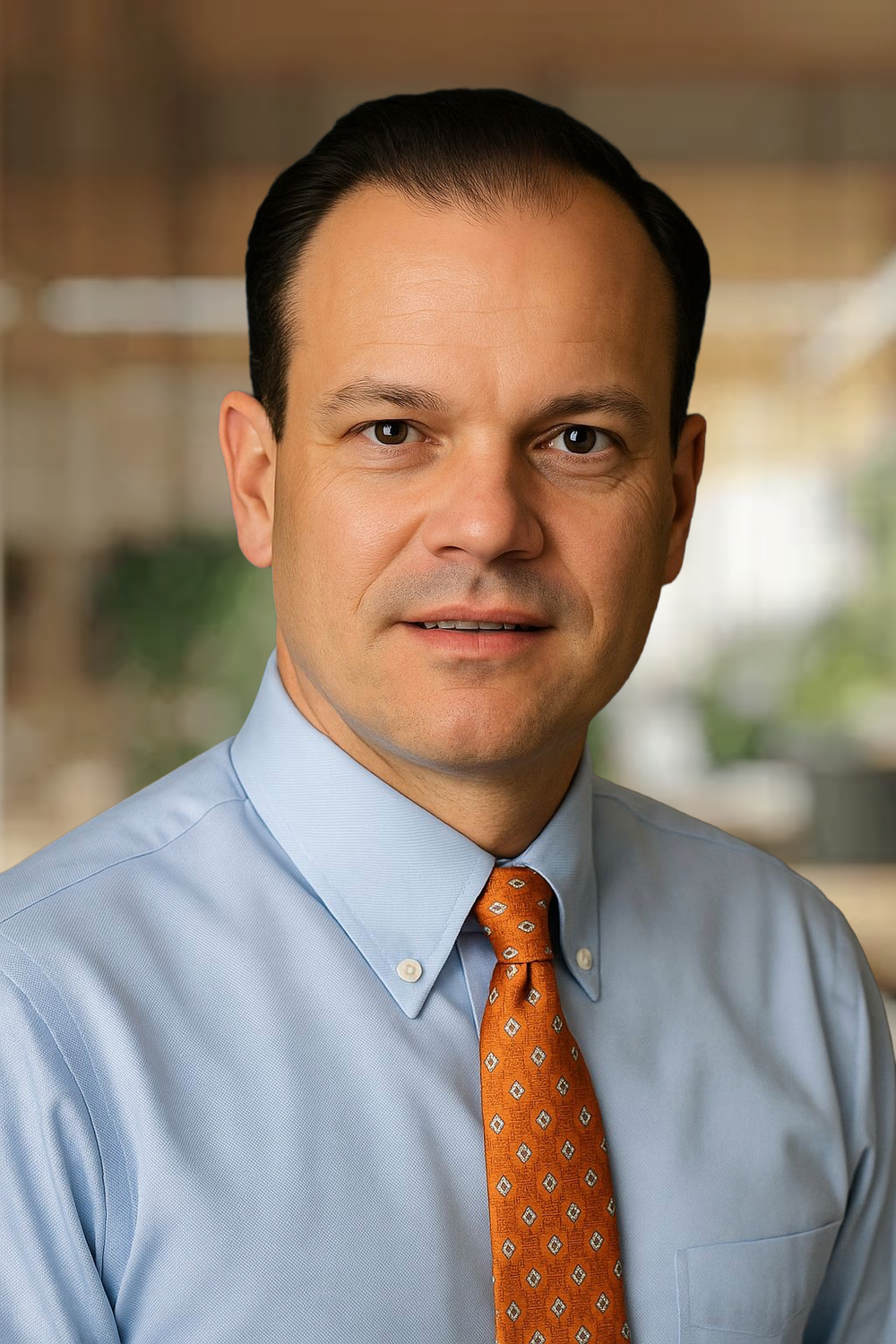
Juan Manuel López Ruiz
Counsels clubs, athletes, agents and federations on player contracts, disputes and regulatory matters in global football.View profile
Heather Bustos
Supports food, supplement, cosmetic and medical device businesses on FDA and FTC compliance.View profile CareersJoin the team
We’re hiring experienced M&A, venture and fund formation lawyers.View open rolesFrequently Asked Questions About Fund Formation
Have a question we have not covered? Email info@ebadatlaw.com.
These answers are general information, not legal advice, and reading them does not create an attorney-client relationship. See our Notice & Terms of Use.
How do you approach anchor investor negotiations?
Anchor terms become the template for every later investor through the most favored nations clause, so we settle early what the anchor receives, such as fee discounts, co-investment rights, an LPAC seat, capacity rights in future funds or a share of GP economics, and draft the MFN so those terms stay tied to the anchor’s size and timing.
How should carried interest be structured among the principals?
Through the general partner’s own agreement: how carry is split, how it vests and what is forfeited when someone leaves, how clawback obligations are funded and how new partners are admitted. Settling these before the first close avoids reopening them later with investors watching.
What is the difference between a 3(c)(1) fund and a 3(c)(7) fund?
Both are exclusions from registration under the Investment Company Act. A 3(c)(1) fund is generally limited to 100 beneficial owners, with a higher limit for qualifying venture capital funds. A 3(c)(7) fund has no investor count limit of that kind, but every investor must generally be a qualified purchaser, such as an individual with at least $5 million in investments.
Does the manager need to register as an investment adviser?
It depends on assets under management, the type of funds advised and where the manager operates. Many managers qualify as exempt reporting advisers, either because they advise only venture capital funds or because they advise only private funds with less than $150 million in U.S. assets under management. Exempt reporting advisers still file parts of Form ADV and may face state requirements.
When do managers use parallel funds, feeders and blockers?
When the investor base includes non-U.S. or tax-exempt investors who need to avoid effectively connected income or unrelated business taxable income. Parallel funds and feeders separate those investors at the fund level, and blockers do it investment by investment. The right mix depends on the strategy, any use of leverage and the expected investors.
How are liquidity terms set in a hedge fund?
Through the subscription and redemption terms: how often investors can come in and out, notice periods, any initial lock-up and early redemption fees, and gates that limit how much can leave at once. Side pockets for illiquid positions and side letters granting better liquidity to some investors need to be squared with the fund’s duties to everyone else.
What makes an IDC drilling fund different from other private funds?
The tax result drives the structure. Investors are typically admitted so they can deduct their share of intangible drilling costs, which shapes how capital is called and spent, how the program relates to the operator and what investors need to know about the risk of dry holes and changing well economics. Investors are generally accredited, and the offering documents carry specific tax and risk disclosure.
How do independent sponsors and searchers raise capital?
Independent sponsors usually raise deal by deal through an SPV backed by a capital partner, with the sponsor’s closing fee, management fee and promote negotiated alongside the acquisition. Searchers typically raise a small search fund to cover the search, and those investors receive the right to invest in the acquisition, often with a step-up on their search capital.
How are GP-led continuation vehicles structured?
The general partner sponsors a new vehicle that buys one or more assets from an existing fund, usually backed by a lead secondary buyer. Because the GP sits on both sides, the process typically includes a fairness opinion or a competitive price check, LPAC review of the conflict and a real choice for existing investors to sell or roll into the new vehicle.